Modern whaling and whale watching
Whaling around Kāpiti changed sharply during the nineteenth century. Contemporary returns give 23 boats and 466 tuns of black oil for the Kāpiti–Mana district in 1839, but only three boats and 29 tuns in 1847.
The historical record
These records help explain why a once-busy network of shore stations survives largely through documents, place names and archaeological remains. The much later history of whale protection and whale watching belongs to a different period, but it can be read against this earlier commercial exploitation.
Sources: Nigel Prickett, The Archaeology of New Zealand Shore Whaling (2002), pp. 83–97.
What changed after the shore-whaling era
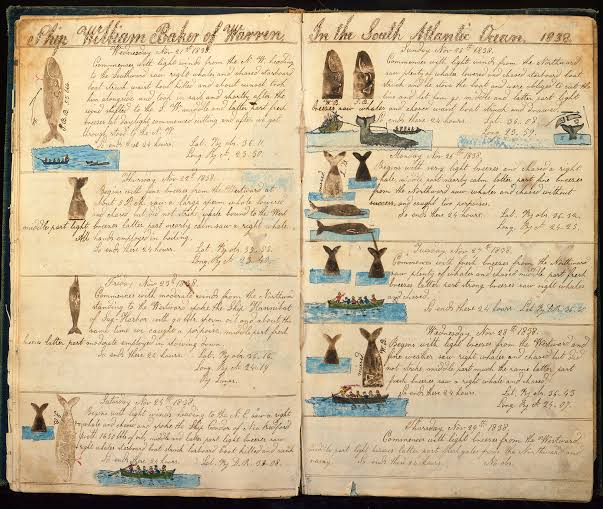
Early New Zealand shore whaling concentrated heavily on southern right whales, whose migration and calving behaviour brought them close to sheltered coasts. Te Ara explains that this made the animals particularly vulnerable to boats operating from land. As catches declined, some stations closed, crews moved and the economic importance of particular bays changed.
Whaling did not disappear from New Zealand in the 1840s. NZHistory describes the later Perano family enterprise in Tory Channel, which began in 1911 and eventually used powered chasers and modern equipment. That industry differed in technology, target species and scale from the open-boat shore stations of the 1830s.
Modern whale watching and conservation belong to another historical phase. They should not be presented as an unbroken continuation of the old fishery. The same waters can have successive meanings: hunting ground, industrial route, protected habitat and a place where people now seek to observe living whales.