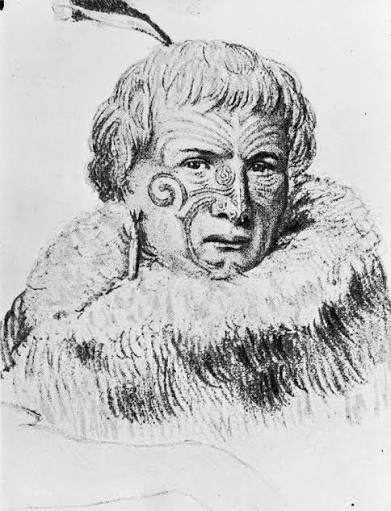
Ngāti Toa and Kāpiti
Ngāti Toa under Te Rauparaha established Kāpiti as a strategic stronghold in the 1820s, in a period of warfare and shifting alliances.
The historical record
Ngāti Toa history is closely associated with Kāpiti Island and the movements of people through Cook Strait in the early nineteenth century. Kāpiti became an important centre in a wider network of communities, waterways, coastal routes and relationships reaching across the strait.
The histories of Kāpiti cannot be told through a single iwi or a single migration. The district also carries earlier Muaūpoko and Rangitāne histories and the later settlement of Te Ātiawa groups, including Puketapu ki Paraparaumu. The changing relationships among these communities form part of the region’s history.
Sources: Existing WhaleLIBRARY regional histories and Puketapu ki Paraparaumu Hapū history.
Historical context
The island before the stronghold
Kāpiti was not an empty island awaiting the arrival of Ngāti Toa. Earlier Muaūpoko and Rangitāne histories are essential to understanding the conflicts and changes of the 1820s. The later ascendancy of Ngāti Toa and allied groups must be described alongside the people who were displaced, rather than as a simple story of discovery.
Sources: KCDC: Kāpiti heritage · Te Ara: Kāpiti and Mana
Migration, alliances and the struggle for Kāpiti
In the early 1820s, Te Rauparaha led Ngāti Toa south from Kāwhia amid conflict with Waikato. The movement took place through relationships with Te Āti Awa and other allies. Accounts differ in their emphasis and chronology: the Kāpiti Coast District Council heritage account places the capture of Kāpiti in 1823, while Te Ara describes a decisive victory on the island in 1824. These should not be collapsed into a falsely precise single event.
Sources: KCDC: Kāpiti heritage · Te Ara: Ngāti Toarangatira · Te Ara: Te Rauparaha biography
A Cook Strait maritime centre
From Kāpiti, Ngāti Toa leaders could engage with visiting trading and whaling vessels and exercise influence over movement across Te Moana-o-Raukawa. The trade included flax and European goods, notably firearms and ammunition; this exchange was tied to power, coercion and changing alliances, not merely peaceful commerce. The same sea routes connected Kāpiti with settlements and campaigns across Te Waipounamu.
Sources: Te Ara: Ngāti Toarangatira · Te Ara: Te Rauparaha biography
Te Tiriti, land and changing authority
Te Rauparaha signed the Cook Strait sheet of Te Tiriti on 14 May 1840 at Kāpiti and signed a second copy off Mana on 19 June. The presence of the vessel Ariel and the work of Henry Williams belong to this documented maritime story. The Crown’s later assertions of authority and land dealings profoundly altered Ngāti Toa political and economic power. This history cannot be reduced to the disappearance of the whaling trade.
Sources: NZHistory: Te Rauparaha · NZHistory: Kāpiti signing · Te Ara: Ngāti Toarangatira
Sources: Te Ara: Ngāti Toarangatira · NZHistory: Wairau context