Whaling period
Council’s district timeline places shore-whaling stations on the coast and islands from 1833 to 1847, with trade collapsing around 1847.
The historical record
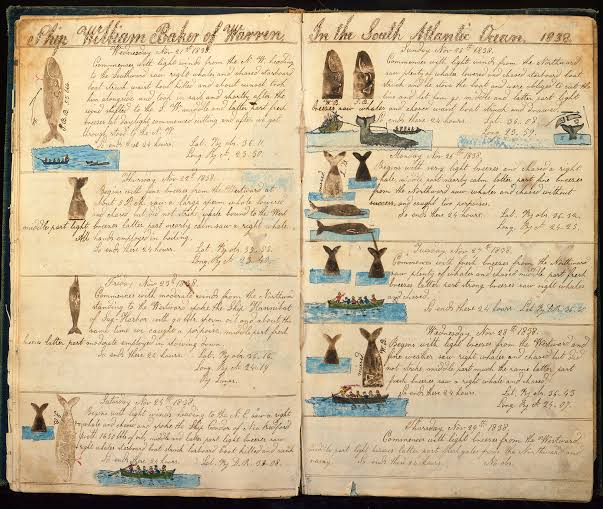
Kāpiti’s shore-whaling era grew out of offshore whaling and the movement of whaleboats, crews and supplies through Cook Strait. In 1830 the William Stoveld and Hind were whaling in Kāpiti waters. The Hind apparently put a party ashore, an early sign of the transition from ship-based hunting to shore operations.
By 1839, six stations in the Kāpiti–Mana district operated 23 boats. Production fell sharply through the 1840s: Wakefield recorded two stations and seven boats in 1844, and three boats producing 29 tuns of oil in 1847.
The surviving record is unusually vivid because Wakefield spent time among local whalers, while Alexander Fraser’s Long Point account book preserves purchases, shipping costs and payments to working crew members for the 1840–42 seasons.
Historical source: Nigel Prickett, The Archaeology of New Zealand Shore Whaling (2002), Kāpiti chapter, pp. 83–97; drawing on Dieffenbach, Wakefield, contemporary station records and archaeological surveys.