
Eleven ships off Kāpiti in 1837
The vessels recorded in 1837
Between 25 August and 12 October 1837, the Whale Song publication Kāpiti – Blood, Oil and Bone records eleven ships associated with Kāpiti waters. Its transcription preserves the names of vessels and their masters, giving a vivid picture of maritime activity around the island.
| Vessel | Recorded master |
|---|---|
| Persian | Hopton |
| Dublin Packet | Clayton |
| Roslyn Castle | Richards |
| Marianne | Mansford |
| Isabella | Maughan |
| Caroline | Cherry |
| Sea Witch | Newson |
| Louisa | Hayward |
| Samuel Cunard | Not named in the transcription |
| Bee | Gluvins |
| Taiaroa | Hempleman |
The recorded period spans late winter and early spring in 1837. These names and masters are preserved from the Whale Song publication, page 16, which drew on early maritime journals and shipping records.
The Whale Song publication lists Persian (Hopton), Dublin Packet (Clayton), Roslyn Castle (Richards), Marianne (Mansford), Isabella (Maughan), Caroline (Cherry), Sea Witch (Newson), Louisa (Hayward), Samuel Cunard (master unknown), Bee (Gluvins), and Taiaroa (Hempleman), between 25 August and 12 October 1837.
Eleven arrivals, one busy sea passage
The 1837 register preserves the names Persian, Dublin Packet, Roslyn Castle, Marianne, Isabella, Caroline, Sea Witch, Louisa, Samuel Cunard, Bee and Taiaroa. The masters named alongside them—Hopton, Clayton, Richards, Mansford, Maughan, Cherry, Newson, Hayward, Gluvins and Hempleman—give researchers a second way to follow the voyages. The transcription does not name the master of Samuel Cunard.
What a shipping list tells us
A vessel’s presence off Kāpiti is evidence of maritime traffic, not proof that it landed a whale or operated a shore station. The concentration of ships between late August and mid-October nevertheless shows how intensively the island’s waters featured in the whaling-era network. See Kāpiti – Blood, Oil and Bone (2025), p.16, and the connected shipping records.
Explore connected books
Explore connected history
Historical context and evidence
What the 1837 list proves—and what it does not
The eleven-vessel list is preserved in the Whale Song publication Kāpiti – Blood, Oil and Bone, page 16, with a period of 25 August to 12 October 1837. The existing library identifies ten recorded masters and leaves the master of Samuel Cunard unnamed. It is a secondary transcription, not eleven independently inspected original port entries. Vessel type, tonnage, cargo, whale catch and exact dates for each ship should remain unknown unless the underlying notices are located.
Why a master is not a ship identity
A master’s surname can help distinguish ships with similar names, but the spelling may vary between newspapers, logs and later transcriptions. A change of master does not prove that two references concern different vessels, just as an identical name does not prove they concern the same one. The register therefore retains each spelling and recorded master rather than merging uncertain identities.
A research trail for each arrival
For every vessel, the next documentary step is to recover the dated source notice; transcribe the vessel name and master exactly; record port of departure, arrival and destination; and distinguish reported whaling cargo from general trading cargo. Newspaper reports, ship registers and logbooks must be cited separately. A vessel appearing in Kāpiti waters was not necessarily engaged in whaling there.
An important 1840 comparison
The historical record independently places the vessel Ariel off the Kāpiti Coast on 14 May 1840 in connection with Henry Williams and the collection of Te Tiriti signatures. This later vessel should not be silently inserted into the 1837 list. It shows how the same maritime corridor supported diplomacy and travel as well as commerce.
Sources: NZHistory: Kāpiti signing
Eleven vessels: eleven separate research questions
A narrow window in 1837
The list in Kāpiti – Blood, Oil and Bone covers 25 August to 12 October 1837, a span of 49 days when counted inclusively. It shows reported vessel traffic associated with Kāpiti waters, not a confirmed sequence of eleven shore-station landings.
What remains to be established
For each ship, the underlying dated notice is needed to establish its vessel type, master’s full name, home port, route, tonnage and reason for being recorded. The master of Samuel Cunard is absent from the existing transcription. No catch or cargo should be assigned to any ship from this list alone.
How to identify a vessel reliably
Begin with the exact spelling of both ship and master in the earliest notice. Cross-check register details and adjacent voyage dates. Similar ship names, changes of command and newspaper spelling errors can otherwise create false matches. Record contradictory evidence rather than silently choosing one version.
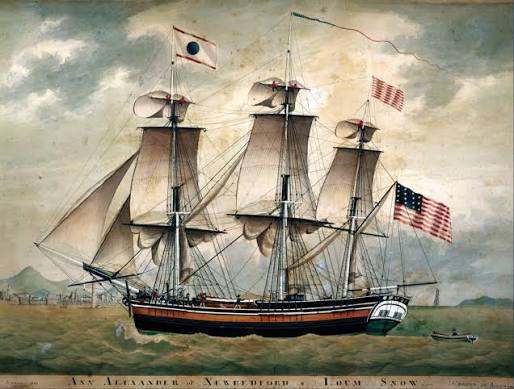
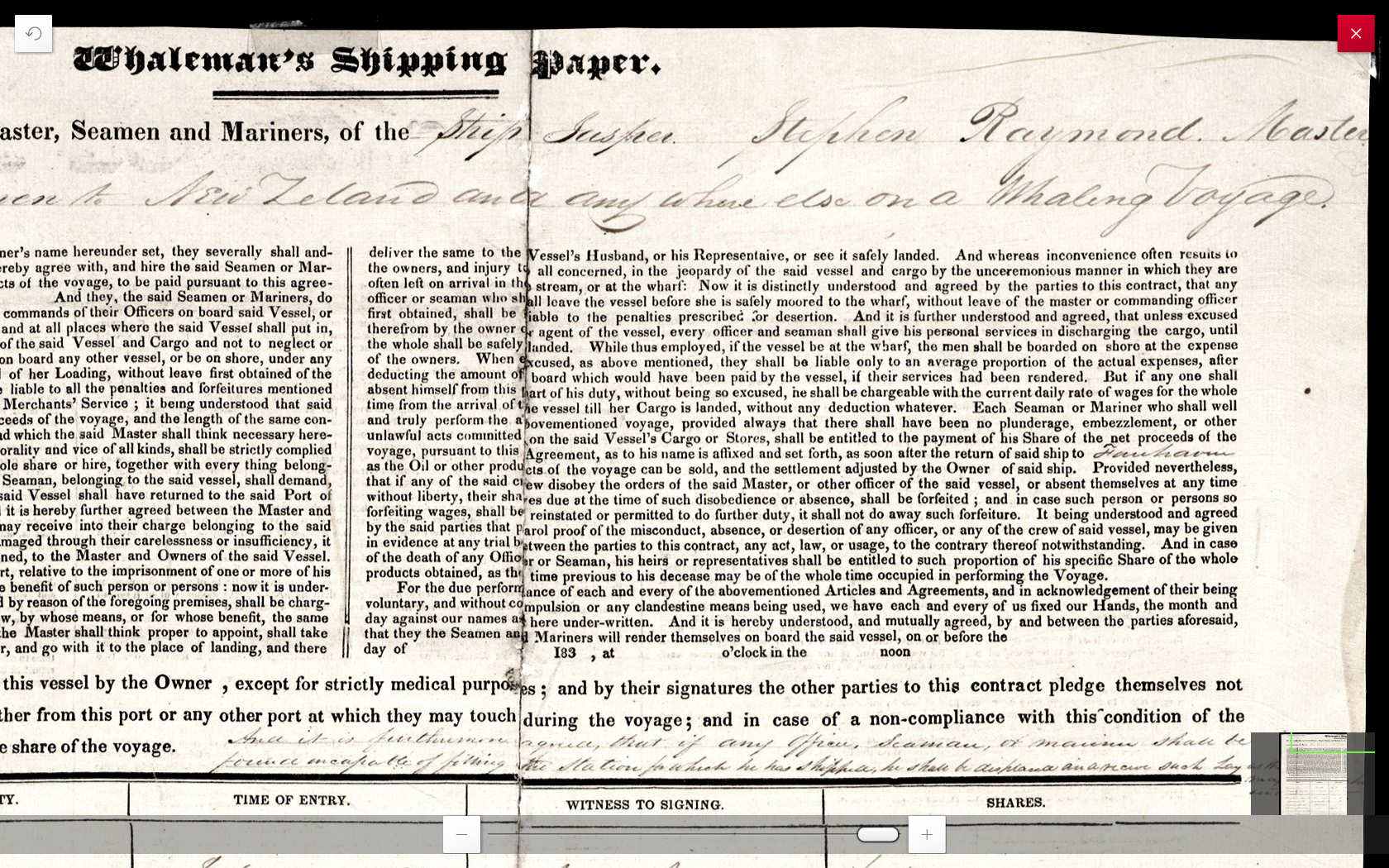
Eleven vessels, eleven unanswered voyages
Between 25 August and 12 October 1837, the Whale Song research transcription lists eleven vessels off Kāpiti. A vessel name is a doorway into a story: the master responsible for navigation, the crew who handled sail and boats, the people who supplied the ship ashore, and the trade in provisions, oil and baleen. But the existing list is not a voyage-by-voyage catch log.
| Vessel | Master recorded in library | Whales caught |
|---|---|---|
| Persian | Hopton | Not established |
| Dublin Packet | Clayton | Not established |
| Roslyn Castle | Richards | Not established |
| Marianne | Mansford | Not established |
| Isabella | Maughan | Not established |
| Caroline | Cherry | Not established |
| Sea Witch | Newson | Not established |
| Louisa | Hayward | Not established |
| Samuel Cunard | Not established | Not established |
| Bee | Gluvins | Not established |
| Taiaroa | Hempleman | Not established |
Ten masters are named in the existing transcription; the master of Samuel Cunard is not established. None of the eleven has a securely assigned whale count in this list. A ship being observed off Kāpiti does not prove that it caught a whale there, and a name shared with another ship is not sufficient to identify the same vessel.
What would complete the log?
For each vessel, the next documentary test is a dated original shipping notice or logbook, followed by any master’s journal, port clearance, crew agreement, cargo manifest or newspaper return. These records can establish arrival and departure dates, tonnage, vessel type, ports, crew names, species, oil and baleen quantities—but only when the record actually contains them. Until then, the honest entry is unknown.
Source and status: Existing Whale Song Kāpiti – Blood, Oil and Bone (2025), p. 16, as transcribed in the library’s earlier books 155 and 217. The list is checked against the library transcription, not reverified against the nineteenth-century original.