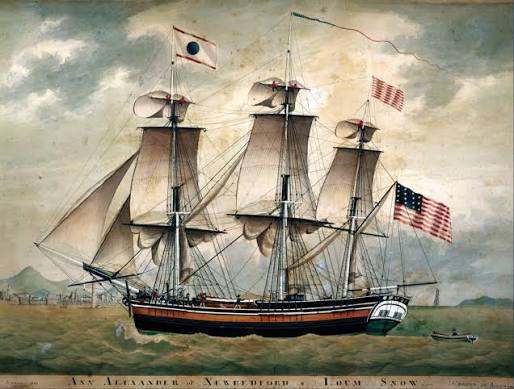
Arapawa Island to Port Underwood
Port Underwood and Tory Channel were major shore-whaling centres on the South Island side of Cook Strait. Te Ara places John Guard’s move to Port Underwood in 1829 and records six shore stations and 18 whaling ships at anchor by 1836. Those numbers describe the Port Underwood area, not Kāpiti Island.
The historical record
Arapawa Island to Port Underwood
Arapawa Island to Port Underwood
Arapawa Island to Port Underwood
Port Underwood and Kāpiti in comparison
The Kāpiti and Mana returns preserved by Nigel Prickett describe a separate operating area. Reading the two regions together helps show the size of the wider maritime economy, but combining their station counts into one local total would distort the evidence.
The connection is also human: Māori crew members, visiting traders, coastal vessels and skilled whalers moved within a region linked by water.
Across the water: linked whaling coasts
Arapawa Island, Tory Channel and Port Underwood belonged to the same wider Cook Strait world as Kāpiti. Vessels, crews, food and manufactured supplies moved through maritime networks rather than remaining confined to a single bay. Port Underwood became an important shore-whaling centre, while the Kāpiti and Mana stations formed a distinct cluster farther north.
Why the distinction matters
A figure describing Port Underwood cannot simply be added to the Kāpiti–Mana return and presented as a local Kāpiti total. Nigel Prickett’s Kāpiti chapter instead follows particular places and people, including the changing fortunes of Long Point and Waiorua. Source: Nigel Prickett (2002), pp.83–97; existing Te Ara material linked in this book.
Explore connected books