What whale oil and baleen were used for
Whaling supplied oil for lighting and machinery and baleen for manufactured products such as corsets and whips. Pursuing and killing whales from small boats was dangerous for crews and devastating for whale populations. The trade connected shore stations, visiting ships, merchants, Māori workers and coastal settlements, including the Cook Strait region.
What oil and baleen meant to buyers
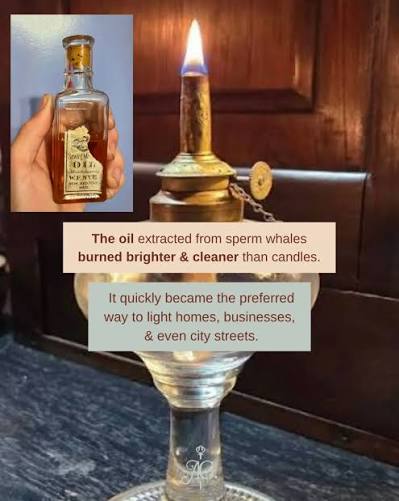
Shore whalers pursued whales because their bodies yielded saleable materials. Oil could be used for lighting and other industrial purposes, while baleen supplied flexible material for manufactured goods. The uses explain the commercial demand but should not obscure the violence of the hunt or the ecological consequences.
At the station, blubber was rendered in large iron pots and the oil placed in containers for shipment. DOC identifies surviving Kāpiti trypots as heritage evidence of this process. A try-pot does not identify the number of whales processed at a site, but it establishes a material connection to the industry.
Te Ara explains why southern right whales were especially vulnerable: their migration and calving behaviour brought them close to sheltered coastal waters. The combination of international demand and local access to breeding animals helps explain the industry’s initial expansion and rapid depletion.
The products that made whales valuable
The commercial market sought oil and baleen for different purposes. Oil was rendered from blubber and used in lighting and manufacturing; baleen, often called whalebone in nineteenth-century accounts, was valued for its flexible, resilient properties in clothing and other manufactured goods. Baleen is not skeletal bone. The distinction matters when reading cargo lists that separately record tuns of oil and hundredweights of bone. The Long Point returns of 1840 and 1841 make that division visible in local records.
Explore connected books
Explore connected history
- A correspondent counts boats and oil at Kāpiti and Mana
- Kāpiti — Blood, Oil and Bone
- Whale Song, Kāpiti — Blood, Oil and Bone (2025)
- Te Wai-o-Rongomai and Te Puna-o-Rongomai
- Waikanae naming traditions
- Puketapu ki Paraparaumu — History and Living Connections
- Modern whaling and whale watching
- Captain Charles Bayley Whaling Master 1813 1875
- Eleven ships off Kāpiti in 1837
- Alexander Fraser 1840 station accounts
- Wallaby crew absconded at Kāpiti
- Wallaby travelled between Kāpiti and southern ports