
Harpoons: The First Strike
An illustrated historical volume tracing equipment, working lives and documentary evidence in the Kāpiti and Cook Strait whaling world.
A narrow margin between boat and whale
From a small open boat, the harpooner worked close to a powerful, unpredictable animal. The iron was intended first to fasten the whaleboat to the whale, rather than to finish the kill. Once the whale ran, the line could race out at dangerous speed. A mistake in handling the line could capsize a boat or injure a crew member. This is the dangerous work hidden behind a neat figure in a station oil return.
The parts and their purposes
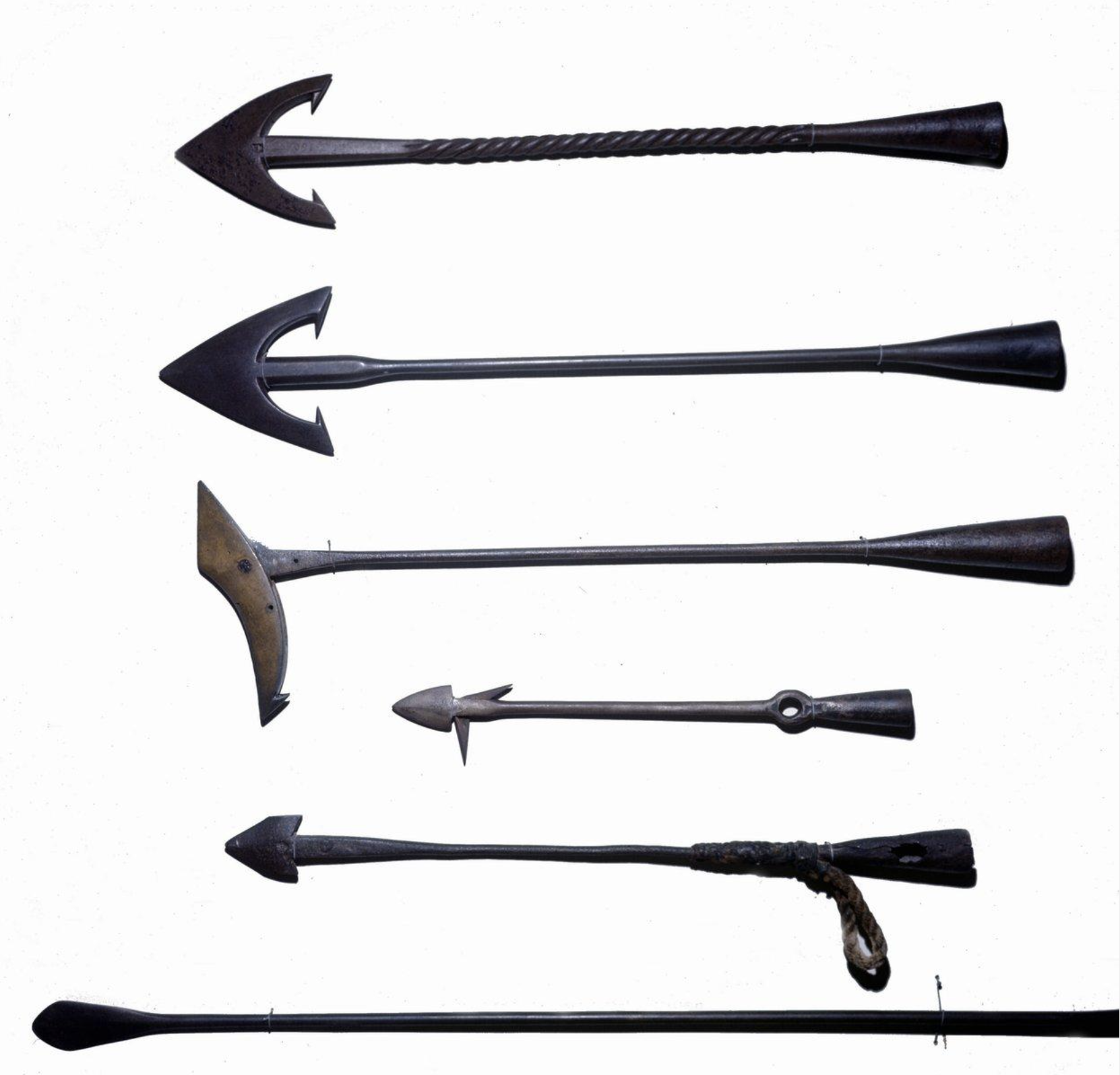
Traditional hand-thrown harpoons generally combined an iron head and shank with a wooden shaft. Barbed or toggle designs helped the iron hold in the animal. The whale line was managed separately, secured to the harpoon iron, and carefully coiled in the boat so it could run without snarling. Harpoon shapes and rigging changed by place and period; an illustration of a generic iron must not be presented as an authenticated Kāpiti specimen.
People in the boat
A headsman directed the chase and often handled the killing lance after the whale was struck; the boat-steerer or harpooner threw the iron, with oarsmen providing speed and manoeuvrability. Roles could change during a chase. Accounts of six-person whaleboats give a useful general picture, but individual crew rosters and assignments at Kāpiti remain a separate documentary question.
What the record can and cannot prove
Archaeological evidence of tryworks confirms processing activity, but it does not itself identify the model of harpoon used, the name of the harpooner or the number of strikes. To establish those details we need an identifiable surviving tool, a station inventory, a contemporary account or a dated original log. The archive image below is an interpretive reference pending identification.
Follow the evidence
Compare the station processing book with the whaleboat and crew volume. Search future inventory transcriptions for “irons”, “harpoons”, “lines”, “boat gear” and “lances”; spellings may vary.
Sources and further connections
Nigel Prickett, The Archaeology of New Zealand Shore Whaling (2002), especially the discussion of station remains and Kāpiti sites, pp. 83–97; Whale Song, Kāpiti – Blood, Oil and Bone (2025).
Read alongside Lances, Lines and the Whale Hunt · Flensing: Knives, Spades and Cutting-in · Tryworks: Fire, Iron and Whale Oil · Whaleboats, Crews and Station Life · Coopers, Barrels, Oil and Baleen ·