
Lances, Lines and the Whale Hunt
An illustrated historical volume tracing equipment, working lives and documentary evidence in the Kāpiti and Cook Strait whaling world.
The chase did not end with the harpoon
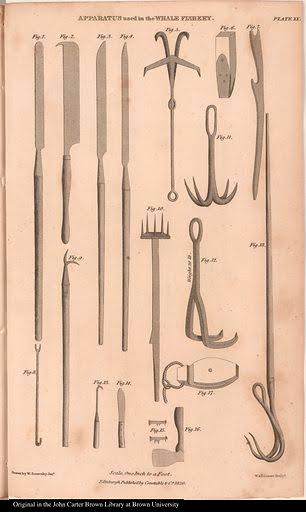
The first iron commonly secured the whale to the boat. A lance was a separate weapon, with a long slender blade designed to penetrate more deeply. The sequence was dangerous for the whale and the men: a wounded animal could sound, strike the boat or tow it far from the station. This history should not romanticise the suffering involved.
Line, coils and boat handling
A whale line needed strength, length and orderly stowage. Lines were carefully coiled in tubs, with the running path kept clear. Friction and sudden tension were serious hazards. The boat crew had to balance pursuit, safety and the possibility of losing equipment. Specific line lengths or diameters should only be attached to a named station where an inventory or other contemporary source supplies them.
Lances and other ironwork
The lance was not interchangeable with a harpoon: one held the animal, the other was used in attempts to kill it. Other iron tools served in securing, towing and cutting. Museum examples can demonstrate construction and wear, but a tool without secure provenance cannot be attributed to Kāpiti merely because it resembles a period implement.
Records worth recovering
Estate auction notices, merchants’ accounts and station ledgers may identify the number of irons, lines, lances and replacement parts purchased. Where an advertisement lists tools, transcribe the wording and quantities rather than substituting a modern catalogue description.
A connection to human lives
Boat crews included Māori and Pākehā workers, but the surviving European commercial record is uneven. The presence of Māori workers should not be reduced to an unnamed labour category when oral histories, whakapapa and documentary sources may preserve individual identities.
Sources and further connections
Nigel Prickett, The Archaeology of New Zealand Shore Whaling (2002), especially the discussion of station remains and Kāpiti sites, pp. 83–97; Whale Song, Kāpiti – Blood, Oil and Bone (2025).
Read alongside Harpoons: The First Strike · Flensing: Knives, Spades and Cutting-in · Tryworks: Fire, Iron and Whale Oil · Whaleboats, Crews and Station Life · Coopers, Barrels, Oil and Baleen ·