
Flensing: Knives, Spades and Cutting-in
An illustrated historical volume tracing equipment, working lives and documentary evidence in the Kāpiti and Cook Strait whaling world.
The hardest work began after the tow
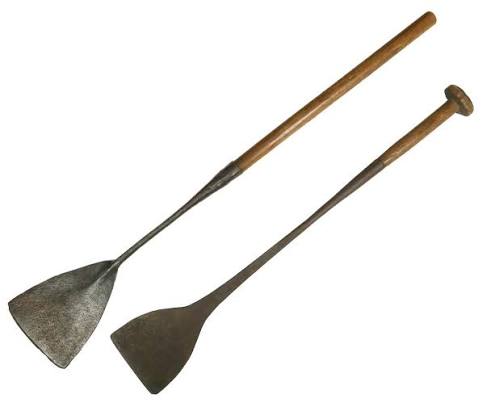
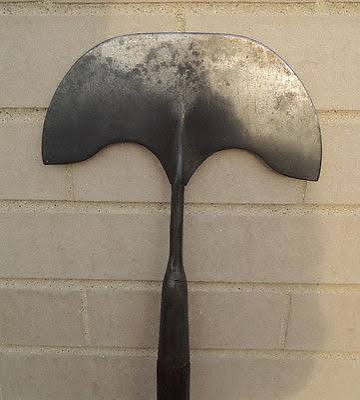
A landed whale still had to be processed rapidly. Workers removed the blubber in large strips using long-handled cutting spades and other sharp implements. The work was heavy, slippery and physically hazardous, undertaken at a beach or station where tides, weather and available labour constrained the process.
Which tool did what?
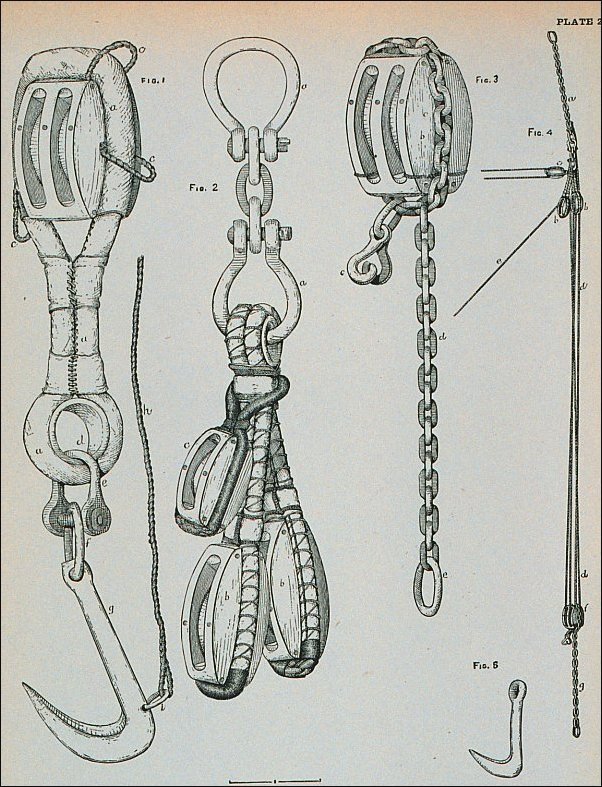
Cutting spades were long-handled edged tools used to detach blubber; shorter knives were useful for trimming and closer work. Hooks, tackle and ropes helped shift heavy pieces. The words “flensing”, “cutting-in” and “blubber” occur in different accounts, but tool names are not always standardised. Historical spelling in a ledger should be preserved in any transcription.
The chain from carcass to barrel
Cut blubber was divided into pieces suitable for the tryworks. Rendering extracted oil through heat, after which it was transferred and eventually packed for storage or shipment. The steps were interconnected: a shortage of barrels, fuel or labour could delay an entire station, even when whales were available.
What archaeological traces survive
Blubber itself rarely survives as a visible artefact, whereas hearths, stonework, bricks, iron fittings and concentrations of burnt material may mark processing areas. Prickett’s survey shows why a stone feature must be interpreted with its landscape and associated evidence rather than identified from shape alone.
An image is not a specimen
The archive holds multiple images labelled flensing tools. Until their photographers, collections and object identifications are traced, these illustrate tool types only. We should not claim any pictured blade was excavated at Kāpiti.
Sources and further connections
Nigel Prickett, The Archaeology of New Zealand Shore Whaling (2002), especially the discussion of station remains and Kāpiti sites, pp. 83–97; Whale Song, Kāpiti – Blood, Oil and Bone (2025).
Read alongside Harpoons: The First Strike · Lances, Lines and the Whale Hunt · Tryworks: Fire, Iron and Whale Oil · Whaleboats, Crews and Station Life · Coopers, Barrels, Oil and Baleen ·